Marine life
The Sea of Cortez, the "World's Aquarium": what makes it unique
A narrow gulf between the desert and the Pacific holds one of the most studied concentrations of marine life on the planet.
A gulf, a World Heritage site
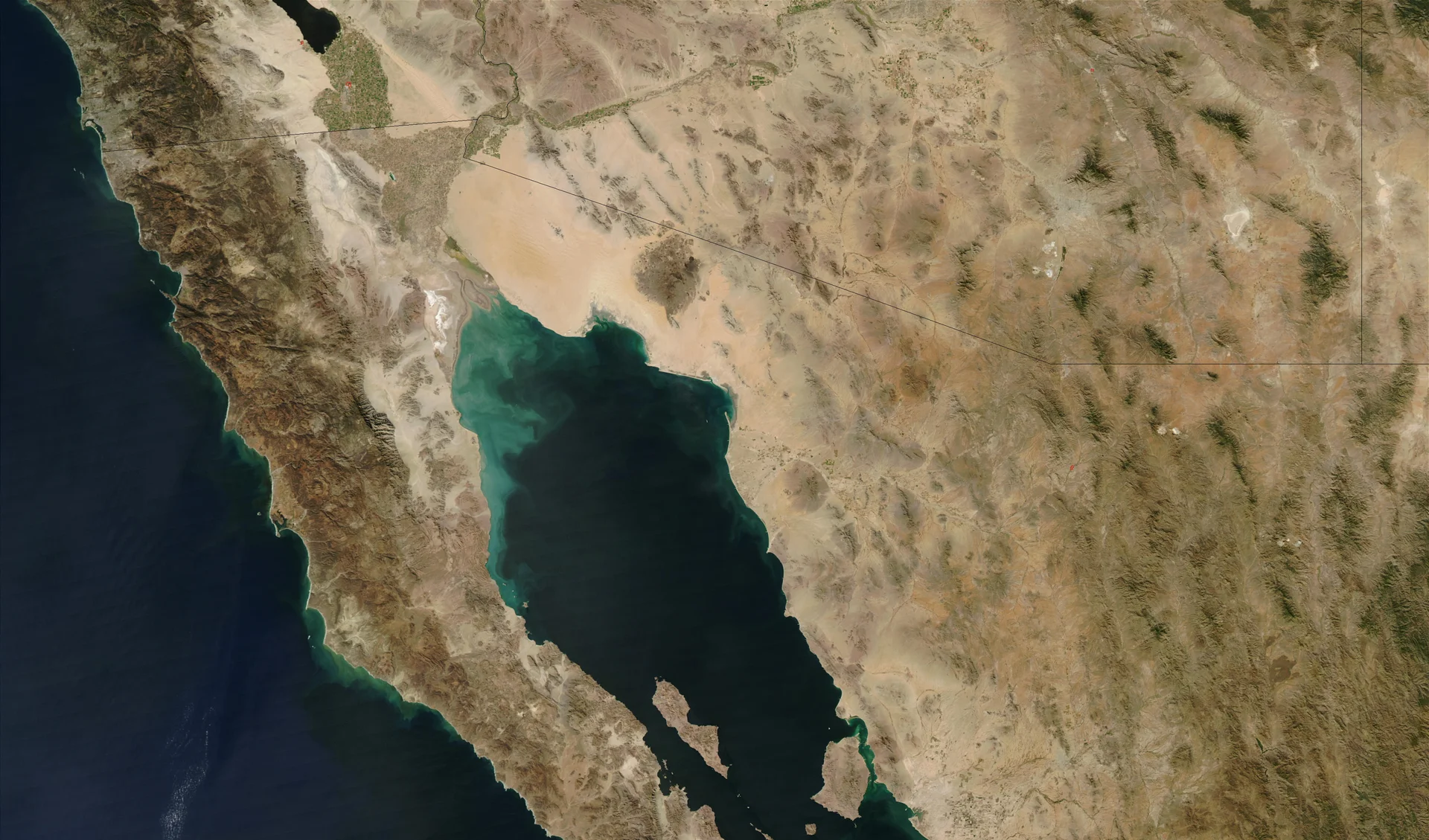
The Gulf of California — also known as the Sea of Cortez — separates the Baja California peninsula from the rest of Mexico. In 2005, UNESCO inscribed part of this gulf as a World Heritage site under the name “Islands and Protected Areas of the Gulf of California”: 244 islands and islets grouped into eight major island groups, plus other coastal and marine protected areas, stretching from the Colorado River delta to more than 270 kilometers southeast of the tip of the peninsula.
Why is it called the "World's Aquarium"?
UNESCO’s own listing notes that this gulf was once called “the aquarium of the world.” The phrase is popularly attributed to Jacques Cousteau following his expeditions to the region in the mid-20th century, though no primary source precisely confirms the exact moment he said it.
An unusual level of biodiversity
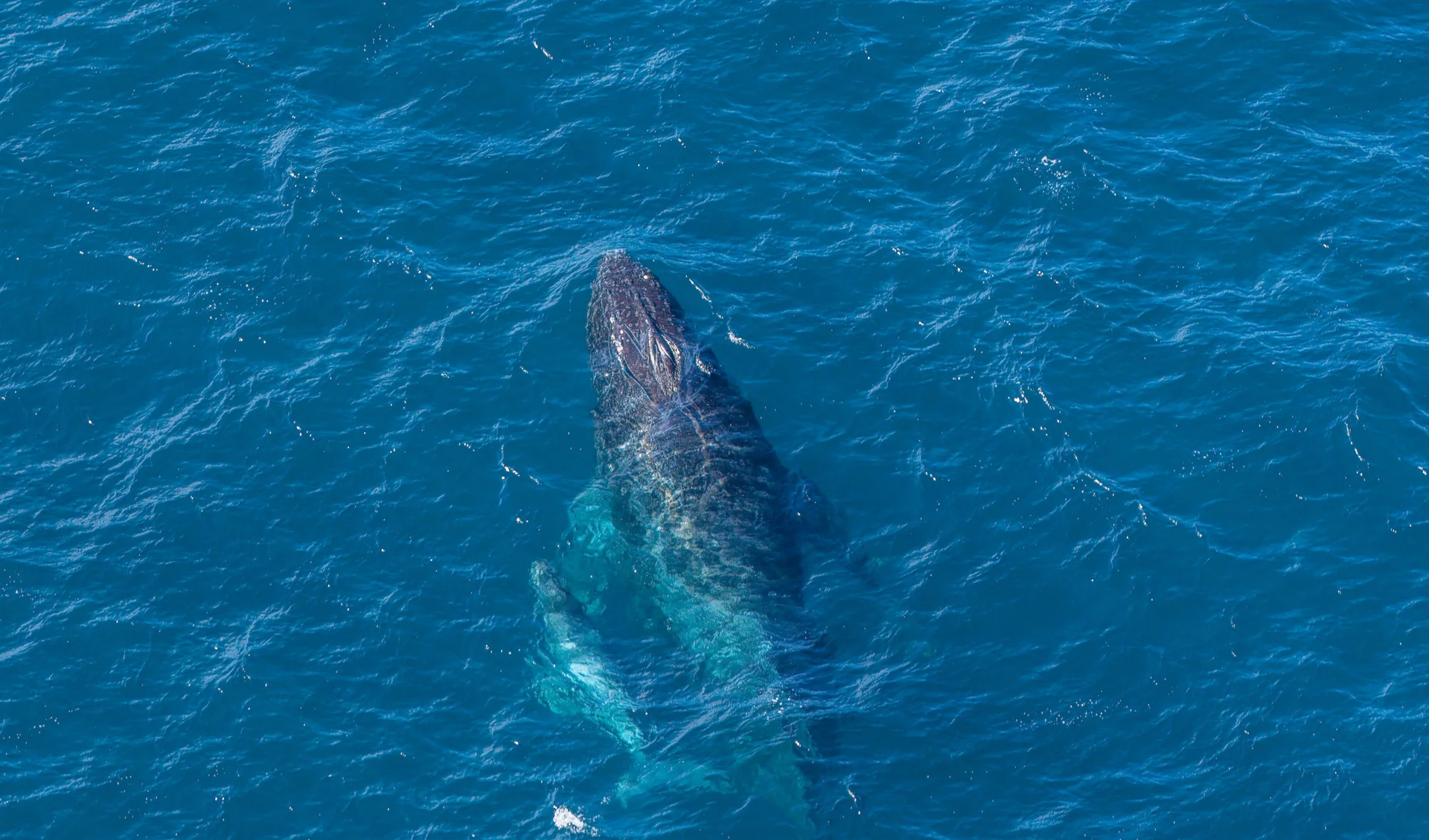
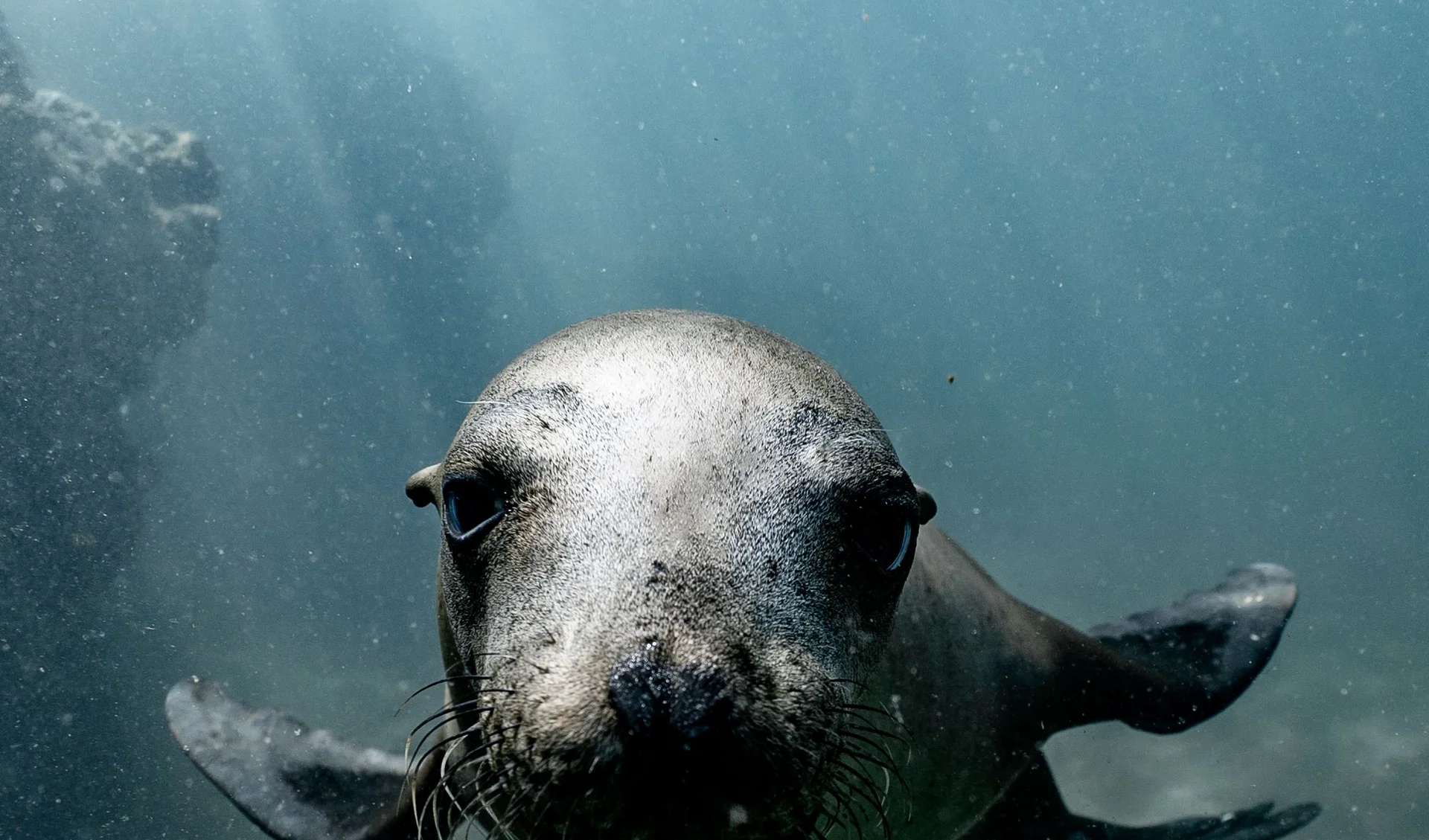
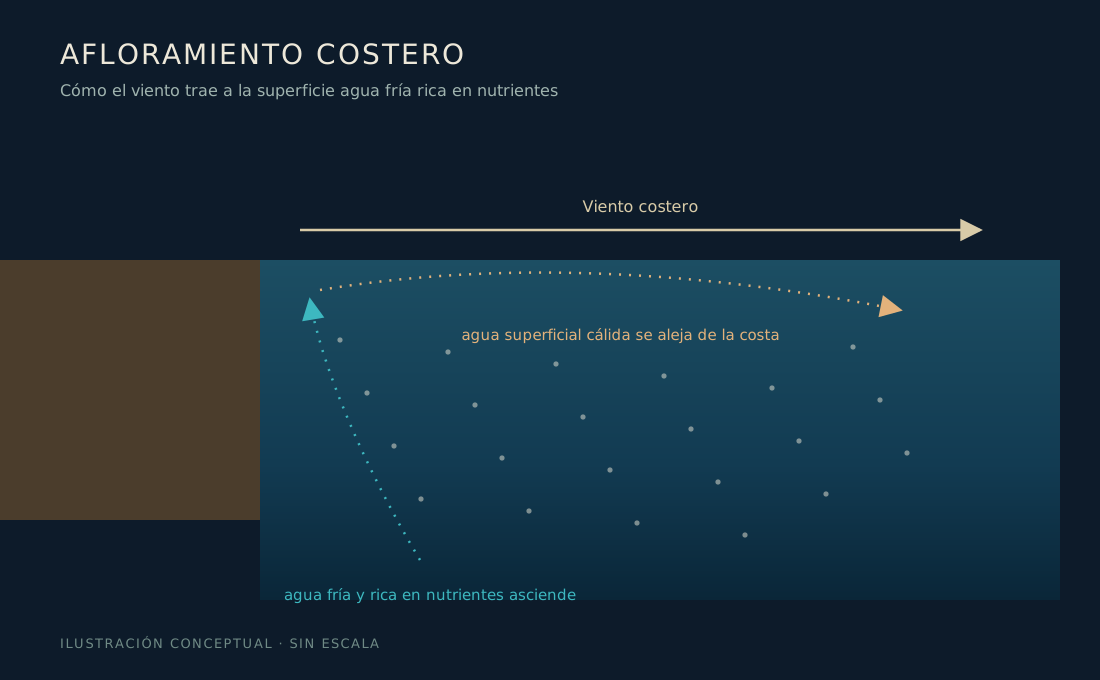
The gulf’s geography — narrow, deep in some areas and surrounded by desert — favors the upwelling of cold, nutrient-rich water, the base of a food chain that supports an enormous variety of marine mammals, fish and species found nowhere else on the planet.
A gem with challenges
Not all of the story is good news. The IUCN’s conservation outlook for this site rated it of “significant concern” in 2017, largely due to the status of the vaquita, a species found only in the northern gulf and facing a critical level of risk. Telling that part too, not just the positive side, is part of documenting this region honestly.
From reading about it to living it
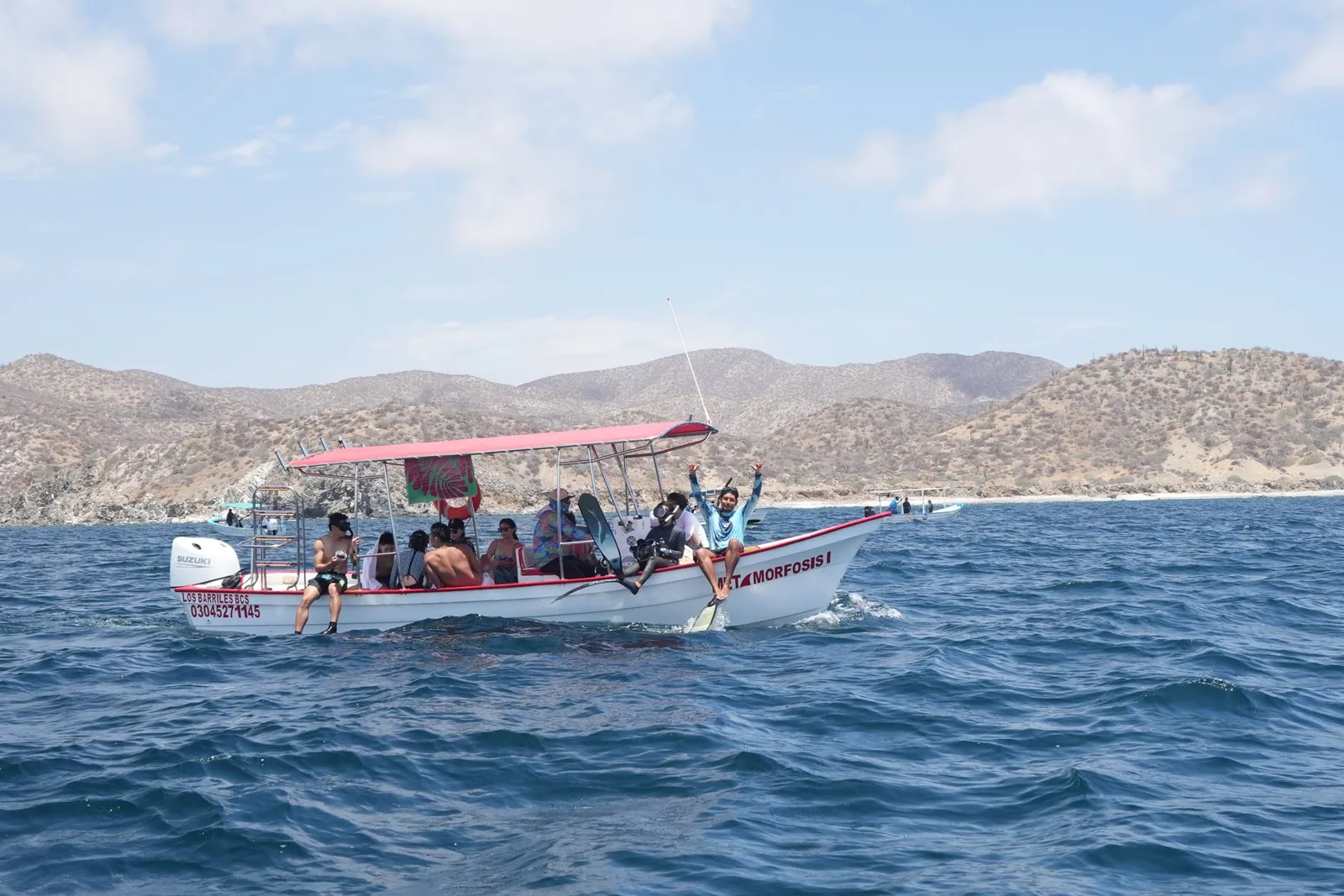
Con Gorra’s expeditions in Baja California Sur — from gray whale watching to diving in La Ventana and Cabo Pulmo — take place within this same region. Understanding its context helps explain why there is so much to see, and why it is worth taking care of.
References to keep exploring
Sources accessed on November 8, 2026. Editorial text by Con Gorra Expeditions.